
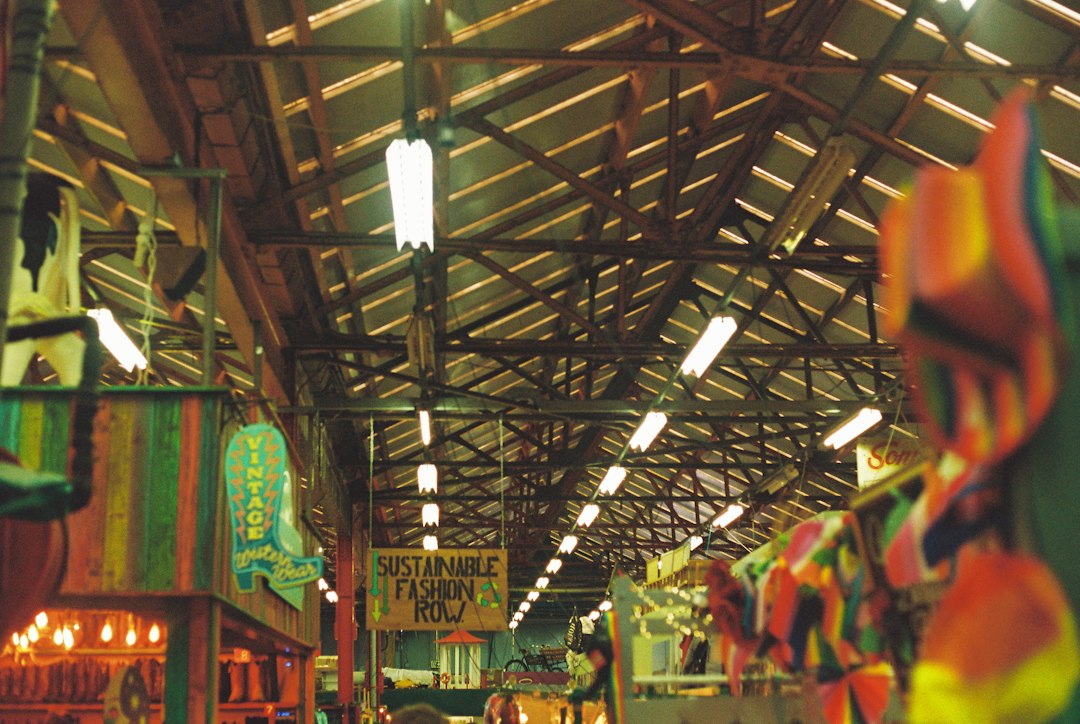
In a world increasingly aware of environmental issues, sustainable fashion has emerged as a vital movement within the clothing industry. Consumers are now more conscious of their purchasing decisions, seeking brands that not only offer stylish apparel but also prioritize ethical practices and sustainability. This article explores the best sustainable fashion brands available online, highlighting their unique contributions to the industry and the positive impact they have on communities.
Understanding Sustainable Fashion
Sustainable fashion refers to clothing that is designed, manufactured, distributed, and used in ways that are environmentally friendly and socially responsible. This includes using organic materials, reducing waste, and ensuring fair labor practices. Brands that embrace sustainability often focus on transparency, allowing consumers to understand the origins of their products and the processes involved in their creation. By choosing sustainable fashion, consumers can make a significant impact on reducing the fashion industry’s carbon footprint.
The rise of sustainable fashion brands has been particularly notable in urban areas like Portland, Oregon, where a community-driven approach has led to a surge in local businesses committed to ethical practices. In Portland, sustainable fashion brands have reported a 30% increase in sales over the past year, demonstrating a growing consumer demand for eco-friendly options. This trend not only supports local economies but also fosters a culture of sustainability within the community.
Top Sustainable Fashion Brands
One of the leading sustainable fashion brands is Reformation, known for its trendy designs and commitment to eco-friendly practices. The brand uses sustainable materials and has a transparent supply chain, allowing customers to see the environmental impact of their purchases. Reformation’s efforts have resonated with consumers, leading to a 50% increase in their online sales in the last year alone, showcasing the effectiveness of their sustainable approach.
Another notable brand is Everlane, which emphasizes radical transparency in its pricing and production processes. Everlane sources high-quality materials and partners with ethical factories, ensuring fair wages for workers. Their commitment to sustainability has not only attracted a loyal customer base but has also inspired other brands to adopt similar practices, creating a ripple effect in the fashion industry.
The Impact of Localized Shopping
Shopping from sustainable brands can have a profound impact on local economies. For instance, in cities like Austin, Texas, consumers who prioritize local sustainable brands have contributed to a 25% increase in revenue for small businesses over the past year. This shift in consumer behavior not only supports local artisans and designers but also promotes a sense of community and shared values among residents.
Moreover, localized shopping reduces the carbon footprint associated with shipping products over long distances. By choosing to shop from nearby sustainable brands, consumers can significantly decrease their environmental impact while supporting their local economy. This dual benefit has encouraged many to rethink their shopping habits and consider the broader implications of their purchases.
Community Engagement and Social Proof
Many sustainable fashion brands actively engage with their communities, creating initiatives that promote environmental awareness and social responsibility. For example, brands like Patagonia have launched campaigns that encourage customers to repair their clothing instead of discarding it, fostering a culture of sustainability. This approach not only reduces waste but also empowers consumers to take an active role in the lifecycle of their clothing.
Social proof plays a crucial role in the success of sustainable fashion brands. As more consumers share their positive experiences on social media, the visibility of these brands increases, attracting new customers. In cities like San Francisco, where sustainable fashion is gaining traction, local influencers and community leaders are championing these brands, leading to a measurable increase in brand recognition and sales.
Conclusion: The Future of Sustainable Fashion
The future of sustainable fashion looks promising as more consumers prioritize ethical practices in their purchasing decisions. Brands that embrace sustainability not only contribute to environmental conservation but also foster a sense of community and social responsibility. As demonstrated by the success of brands like Reformation and Everlane, the demand for sustainable fashion is on the rise, and this trend is likely to continue as consumers become more informed and engaged.
In conclusion, shopping from sustainable fashion brands is not just a trend; it is a movement towards a more responsible and ethical approach to clothing. By supporting these brands, consumers can make a tangible impact on the environment and their local economies, paving the way for a brighter, more sustainable future in fashion.